
Intergenerational Dialogue and Preserving Cultural Heritage
Intergenerational dialogue and the preservation of cultural heritage are crucial elements in building stronger Black communities. These practices help to maintain a sense of identity, pass down wisdom and traditions, and foster unity across different age groups within the community.
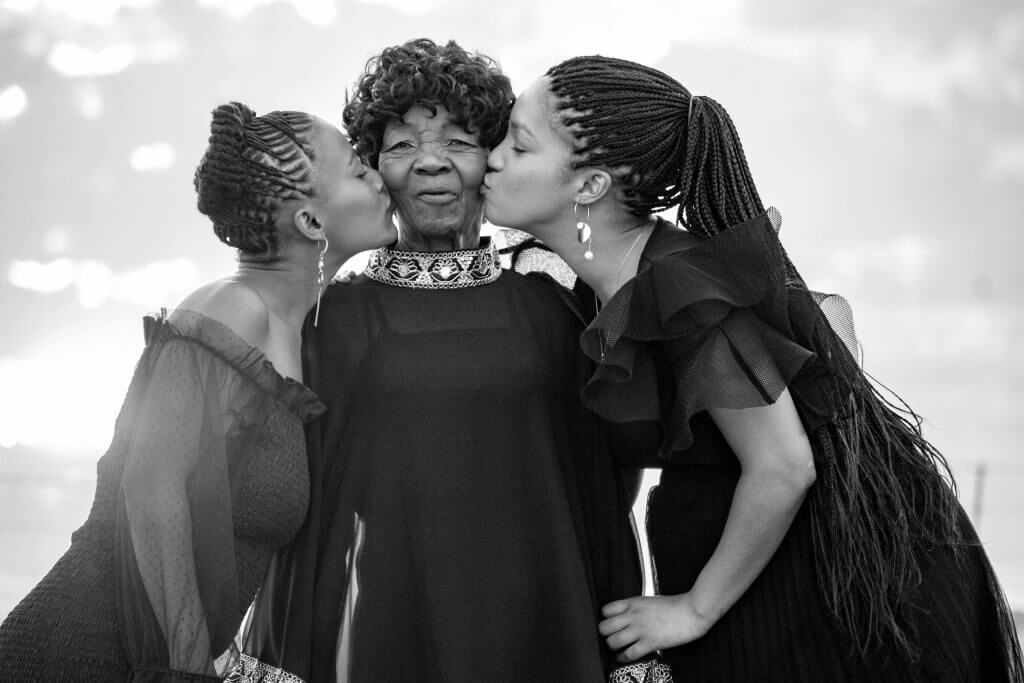
Intergenerational dialogue involves creating spaces and opportunities for different generations within the Black community to interact, share experiences, and learn from each other. This can take various forms, from formal mentoring programmes to informal community gatherings. For example, community centres might organise regular events where elders share stories of their experiences, struggles, and triumphs with younger members of the community.
One significant aspect of intergenerational dialogue is the transmission of historical knowledge. Older generations can provide firsthand accounts of important events in Black history, such as the Windrush generation’s experiences in the UK or the civil rights movement. This oral history helps younger generations understand their roots and the struggles that have shaped their current reality.
Preserving cultural heritage goes hand in hand with intergenerational dialogue. This involves maintaining and celebrating traditions, customs, languages, and art forms that are integral to Black culture. For instance, community organisations might offer classes in traditional African dance, music, or crafts. These activities not only preserve cultural practices but also provide a means for different generations to connect and collaborate.
Language preservation is another crucial aspect of maintaining cultural heritage. Many Black communities in the UK have roots in the Caribbean or Africa, with distinct dialects or languages. Encouraging the use and teaching of these languages helps to maintain cultural ties and preserve unique aspects of Black heritage.
Food is often a central element in preserving cultural heritage. Cooking classes or community meals featuring traditional dishes can be an excellent way to bring generations together and pass down culinary traditions. These events can also serve as a platform for discussing the history and significance of certain foods within Black culture.
Digital technology can play a significant role in preserving cultural heritage and facilitating intergenerational dialogue. Online platforms can be used to create digital archives of oral histories, photographs, and cultural artefacts. Social media can connect younger generations with elders who may have moved away from the community, allowing for the continuation of dialogue across geographical boundaries.
Community-led initiatives are often at the forefront of these efforts. For example, the Black Cultural Archives in Brixton, London, works to collect, preserve, and celebrate the histories of African and Caribbean people in Britain. Such institutions play a vital role in ensuring that cultural heritage is not lost and remains accessible to future generations.
Education systems can also support these efforts by incorporating local Black history and culture into their curricula, and by inviting community elders to share their experiences with students. This not only helps preserve cultural heritage but also promotes intergenerational understanding and respect.
Intergenerational dialogue and the preservation of cultural heritage are not just about looking to the past; they’re about building a strong foundation for the future. By understanding their history and maintaining cultural practices, younger generations are better equipped to navigate their identity in the present and shape their community’s future.
These practices help to create a sense of continuity and belonging within Black communities, fostering resilience and pride. They also contribute to the richness and diversity of the broader society, ensuring that Black cultural heritage continues to be a vibrant and integral part of the national cultural landscape.