
Discussing the Representation of Black People in Media and Entertainment
The representation of Black people in media and entertainment has been a topic of ongoing discussion and critique. While progress has been made in recent years, there are still significant challenges and areas for improvement in ensuring authentic, diverse, and empowering representation of Black individuals across various media platforms.
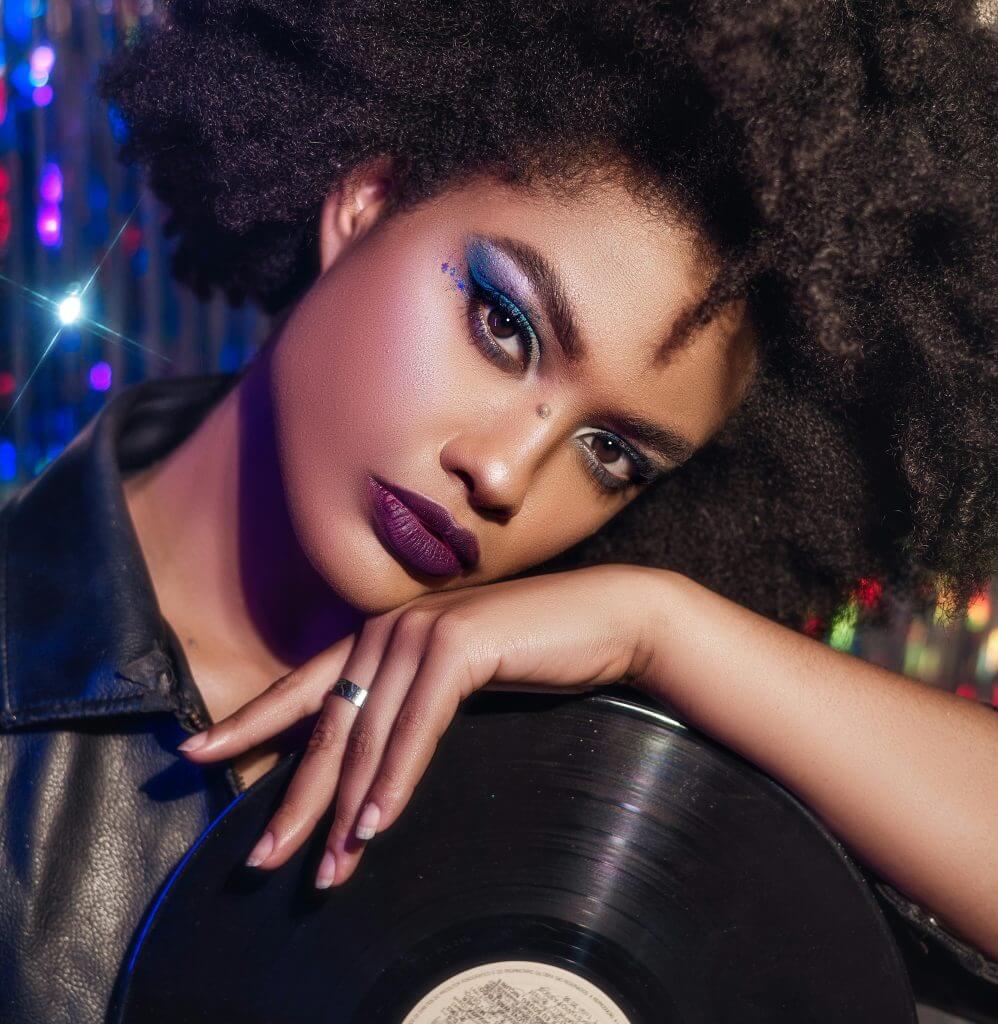
In the UK, the conversation around Black representation in media gained renewed focus following the Black Lives Matter protests of 2020. This led to several initiatives and commitments from major broadcasters and production companies to improve diversity both on and off screen.
One positive development has been the increase in Black-led productions. Shows like “I May Destroy You” by Michaela Coel and “Small Axe” by Steve McQueen have received critical acclaim and have brought authentic Black British stories to mainstream audiences. These productions not only showcase Black talent but also provide nuanced portrayals of Black experiences.
However, challenges remain. A report by the Creative Diversity Network found that while on-screen representation of Black, Asian, and Minority Ethnic (BAME) individuals in UK television has improved, there is still underrepresentation in senior and creative roles behind the camera. This lack of diversity in decision-making positions can impact the types of stories that are told and how they are presented.
In the film industry, there has been a push for more diverse narratives and casting. The success of films like “Black Panther” has demonstrated the commercial viability of Black-led blockbusters. However, there are still concerns about typecasting and the limited range of roles offered to Black actors.
The advertising industry has also faced scrutiny for its representation of Black individuals. While there has been an increase in the visibility of Black people in advertisements, critics argue that this representation often lacks depth and falls into stereotypical portrayals.
Social media and digital platforms have provided new opportunities for Black creators to share their work and perspectives directly with audiences. Platforms like YouTube, Instagram, and TikTok have seen the rise of Black influencers and content creators who are shaping popular culture and challenging traditional media narratives.
However, these platforms also present challenges, with issues of algorithmic bias and online harassment disproportionately affecting Black creators.
To address these ongoing issues, several initiatives have been launched:
- The BBC’s Creative Diversity Commitment, pledging £100 million of its TV budget to produce diverse and inclusive content.
- Channel 4’s Black to Front Project, which saw the channel’s entire schedule fronted by Black talent and contributors for one day.
- The BFI’s Diversity Standards, which productions must meet to be eligible for certain categories at the BAFTA Film Awards.
While these efforts are steps in the right direction, sustained commitment and systemic change are necessary to ensure that Black representation in media and entertainment is consistently authentic, diverse, and empowering. This includes not only increasing visibility but also ensuring that Black individuals have the power to tell their own stories and shape their own narratives across all forms of media.