
Intersectionality and Its Importance in the Fight for Equality
Intersectionality is a crucial concept in understanding and addressing the complex nature of discrimination and inequality. Coined by legal scholar Kimberlé Crenshaw, intersectionality recognises that individuals can face multiple, intersecting forms of oppression based on their various identities, such as race, gender, class, sexuality, disability, and more.
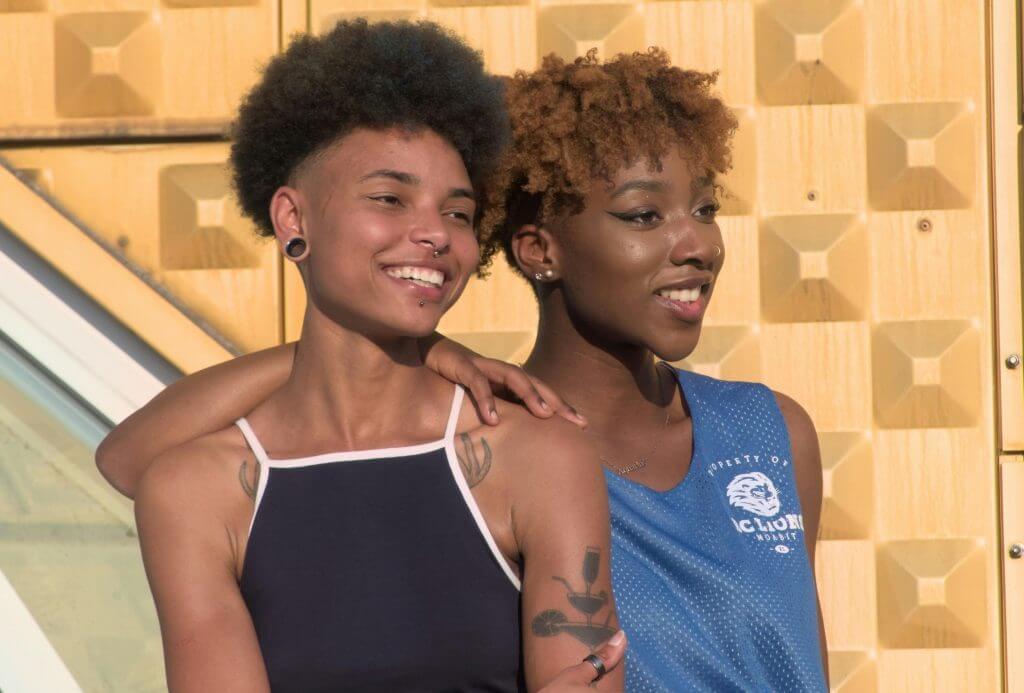
In the context of Black inclusion and anti-racism work, intersectionality is particularly important as it highlights that the experiences of Black individuals are not monolithic. For instance, a Black woman may face discrimination not only because of her race but also because of her gender. Similarly, a Black LGBTQ+ person might experience unique challenges that differ from those faced by their heterosexual Black or white LGBTQ+ counterparts.
Understanding intersectionality is crucial for several reasons:
- It provides a more nuanced understanding of discrimination: By recognising the interplay of various identities, we can better understand the complex ways in which discrimination manifests and affects individuals.
- It prevents oversimplification: Intersectionality helps us avoid the trap of treating all members of a particular group as having the same experiences or needs.
- It promotes inclusive activism: By considering intersectionality, social justice movements can ensure they’re addressing the needs of all members of their community, not just those with the most privilege or visibility within the group.
- It highlights overlooked issues: Intersectional analysis often reveals issues that might be overlooked when considering single-axis frameworks of discrimination.
- It fosters coalition-building: Understanding intersectionality can help different marginalised groups recognise shared struggles and form alliances.
In practice, applying an intersectional approach to equality work might involve:
- Ensuring diverse representation in leadership and decision-making roles, considering not just race but also gender, class, disability status, and other factors.
- Tailoring support services to address the specific needs of different groups within the Black community, such as Black LGBTQ+ youth or Black women with disabilities.
- Analysing data on inequality and discrimination through an intersectional lens to identify patterns that might be missed by looking at single categories alone.
- Developing policies and initiatives that address multiple forms of discrimination simultaneously.
In the UK context, the Equality Act 2010 recognises nine protected characteristics, including race, gender, and sexual orientation. While this legislation is important, an intersectional approach recognises that these characteristics don’t exist in isolation and that individuals may face discrimination based on multiple, intersecting identities.
Organisations like Imkaan in the UK work from an intersectional perspective, addressing violence against Black and minoritised women and girls. Their approach recognises the unique challenges faced by women who experience both racial and gender-based discrimination.
However, implementing intersectionality in practice can be challenging. It requires ongoing learning, self-reflection, and a willingness to grapple with complex issues. It also demands that those in positions of relative privilege be willing to listen to and centre the voices of those who experience multiple, intersecting forms of oppression.
Despite these challenges, embracing intersectionality is crucial for creating truly inclusive and effective equality movements. By recognising the diverse experiences within the Black community and other marginalised groups, we can work towards a more nuanced and comprehensive approach to fighting discrimination and promoting equality for all.